LARC x USC Sea Grant Extreme Weather and Coastal Forum
On June 11, 2026, LARC and the USC Sea Grant held the Los Angeles Extreme Weather and Coastal Forum. The event was a collaborative workshop to discuss mitigation of extreme heat and fire impacts on our coast, while providing a day of networking with environmental and coastal practitioners. As Southern California faces more frequent heat waves, destructive fires, and extreme weather events, the need for interdisciplinary approaches and creative solutions is imperative. To dig into these connections, the forum included sessions that covered heat relief and equity, wildfire impacts, and resources for resilience funding.
The meeting began with LARC facilitating a “Network Update” Session. Meeting participants shared updates about current projects and needs. Organizations and municipalities provided “calls to action” – asking others in the room to share new resources, events, and surveys. It was great to be back in person—attendees really appreciated how much easier it was to spark new collaborations face-to-face.
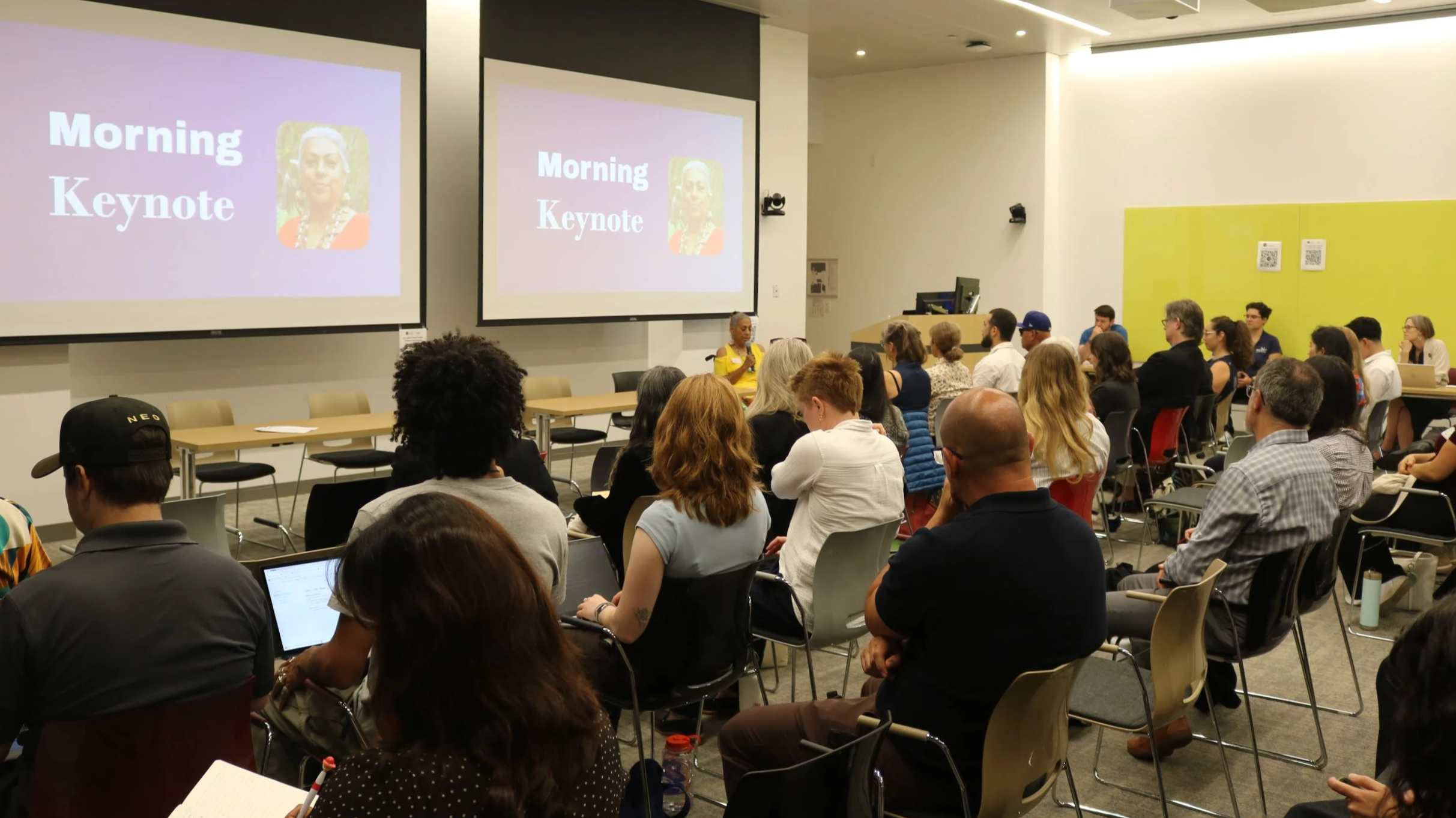
Our keynote speaker, Tina Calderon, is Culture Bearer and Ocean Protectors Program Director of Sacred Places Institute for Indigenous Peoples. She spoke about the interconnectedness of our natural systems, how the health of the upper watershed impacts the coast, and the value of indigenous knowledge in understanding spatial history and present. She asserted that we all play roles to protect local ecosystems— thinking in an interdisciplinary fashion will help us solve the current and future ecological problems.
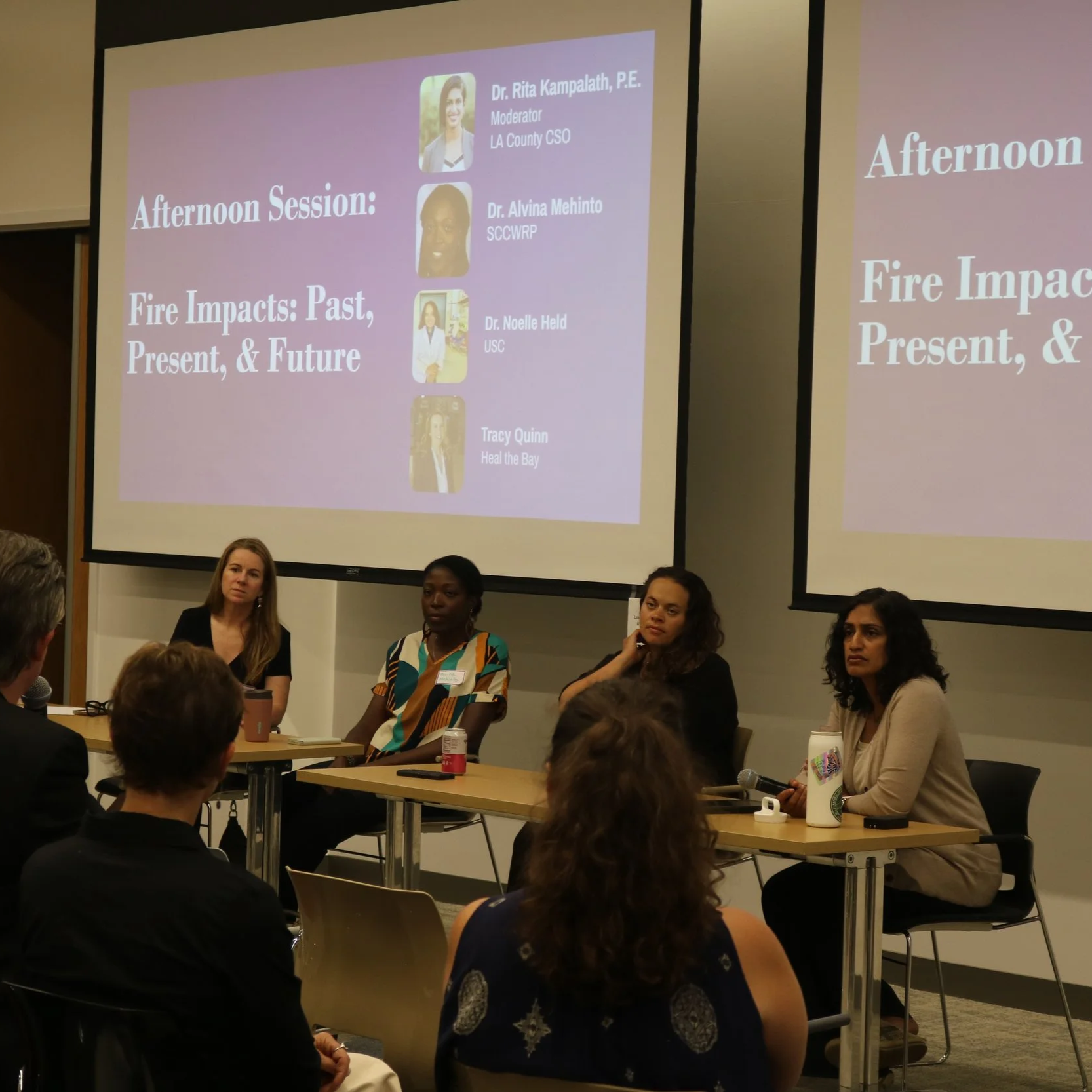
The afternoon panel session, Fire Impacts Past, Present, & Future, examined how wildfires affect ecosystems throughout a watershed. Presenters shared post-fire monitoring successes and future monitoring efforts. Dr. Alvina Mehinto of the Southern California Coastal Water Research Project (SCCWRP) shared the Los Angeles Post-Fire Monitoring Network, where her group expanded data collection, analytical methods, and monitoring areas to investigate post-fire impact on water quality. Dr. Noelle Held of the USC CLEAN Waters Initiative shared her lab’s research of elevated pollutants in coastal waters after the wildfires, while also acknowledging obstacles to analyzing “patchy” data and isolating urban pollutants from wildfire pollutants. Tracy Quinn, P.E. of Heal the Bay spoke about how her team is filling the gap in communicating post-fire monitoring data to the public, a gap that arose from the lack of public health standards and clear guidance for reporting post-fire contaminants.
The forum ended with a Fireside Chat on Resilience Funding with Johnathan Parfrey, Executive Director of Climate Resolve, and Ryan Wolfe, Department Head for Sustainable and Resilient Development at the Southern California Association of Governments (SCAG). Both speakers shared resources on State grant programs to fund extreme heat and coastal adaptation investments. Parfrey spoke about how to strategically adapt to fiscal challenges at the local and regional levels and where to seek and allocate funding. Wolfe spoke about multibenefit projects and strategies to receive grant funding from Prop 4. Finally, both discussed ways to leverage interdisciplinary partnerships for funding and shared advice to attendees who want to leverage local match funding with existing local partnerships.
For more information about our panelists, please view the program: https://bit.ly/LAForum2026-program
Notes and slides from the meeting area available here.
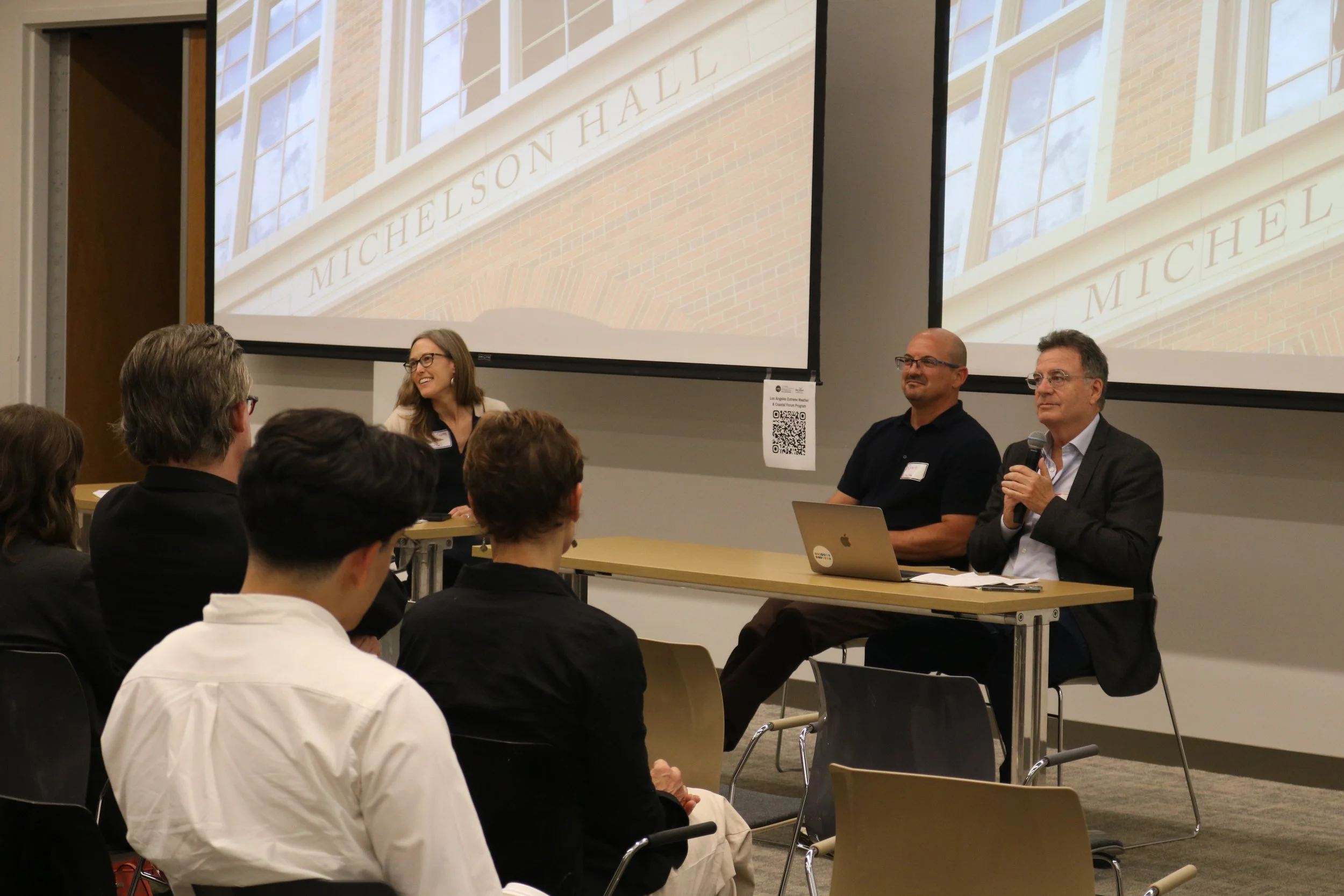
The morning panel session, Extreme Heat and Coastal Access, emphasized how extreme heat impacts coastal visitation and how we can make coastal access equitable. Andres Gonzalez, Sustainable Policy Advisor at the Los Angeles County Chief Sustainability Office, shared the goals of the LA County Heat Action Plan, which include relevant actions to adopt cool outdoor spaces, create heat-resilient indoor spaces, and expand heat safety communications and programs. Rachel Darling, USC SeaGrant, presented on behalf of Dr. Kiki Patsch of CSU Channel Islands, sharing data on which communities visit the beach and how climate change affects coastal access— the California Beach Resiliency Plan and The People’s Beach Story Map are helpful relevant resources. Using social-ecological research, Dr. Jenny Selgrath of the California Marine Sanctuary Foundation presented on the benefits and barriers of ocean access across our coasts. Her group is trying to reach communities not previously included in California’s ocean management through surveys and partnerships. Finally, Emiko Innes, Coastal Planner at the LA County Department of Beaches and Harbors, discussed ways to more equitably engage residents with public beaches as shoreline erosion threatens beach space. The LA County Coastal Resilience Initiative, Coastal Adaptation Program Dune Restoration, and CoastSnap Program are all working to keep the coast accessible!