
The AC Trap: Why Cooling Our Homes is Heating Our Streets
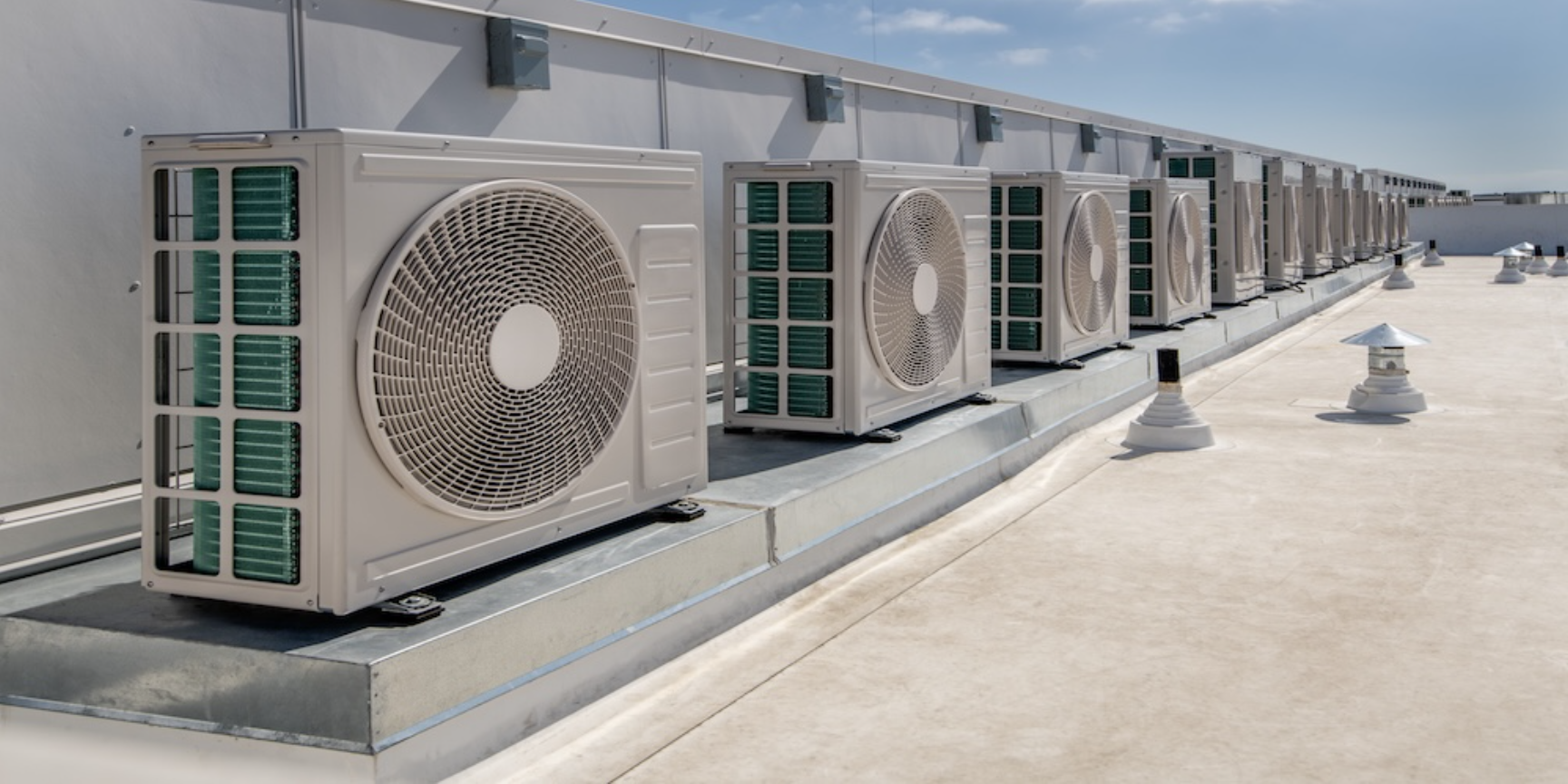
The heat the state is experiencing this month of March is record breaking, but a sign of future heat to come. We have been lucky that nights have been relatively cool this time around. But there is no guarantee of such diurnal relief going forward. It is not surprising there is a push to provide people with air conditioning and to set night-time standards for indoor temperatures. Sadly however, this seems to imply the rampant installation of air-conditioning units, which themselves contribute to higher urban heat, so creating a vicious cycle.
Providing air conditioning is the fastest way to help people experience thermal comfort, but it does not mean the units will be used to the extent needed, as each hour of operation incurs higher energy bills. The real elephant in the room is the historic poor construction of our built environment. With an emphasis on fast and cheap, we built lots of housing post war, that is the bulk of our existing housing stock. These buildings were not built with materials or methods that provide people thermal protection, either for heat, or for cold. This is an issue which affects 70% of units in Los Angeles County, of which approximately 57% are single family and 43% are multi-family, and affect the majority people in each. It is well known that lower income residents live in older apartments. (ACS 2024) What is to be done?
Programs such as LADWP’s Comprehensive Affordable Multifamily Retrofits (CAMR), are one important, but under-resourced measures for addressing this dilemma. CAMR provides reimbursements for multifamily building owners in LADWP service territory to upgrade and electrify their buildings. This includes improving the performance of the building envelope, as well as installing upgraded appliances. Unfortunately, the Investor Owned Utilities (IOUs) do not have similarly progressive programs, and the city of Los Angeles is constrained in terms of the financial resources that it can dedicate to CAMR and other similar programs due to the limitations imposed by the voter ballot initiatives of proposition 26 and 218. These limit rate increases for our public utilities, though the IOUs, as we have seen, can simply go to the Public Utilities Commission to request their rate increases. Current average Edison electrical rates are nearly double those of LADWP, with many times the number of public service safety shutoffs, and a track record of costly fire ignitions such as the recent Eaton fire. (Singh et al. 2024)
Heat is a public safety issue. Simply installing AC units is insufficient response and can actually contribute to the problem. We are creating a feedback loop, and this does not even address the issue of the ozone depleting refrigerants that are still in use, though the newer ones such as R-32 and R410A are better in this regard. And, while heat pumps may be more efficient in their electricity consumption, they are still dumping hot air into the atmosphere.
In a sense, we have been lucky in Southern California, that our temperate climate has allowed us to build truly inefficient buildings and get away with it. While new building codes improve performance, most of our building stock predates their existence. If we are to keep people safe, not contribute to more urban heat, and, incidentally, improve the quality of the buildings, we need to invest in them, to understand they are our infrastructure, here for the long term. Its impossibly costly to replace them, so let’s ensure our buildings perform better so our residents can thrive and we don’t add to the urban heat island.
Stephanie Pincetl, Professor Institute of the Environment and Sustainability, Director California Center for Sustainable Communities
Eric E. Fournier, Institute of the Environment and Sustainability, Research